
From the BVI to the USVI: What Makes Each Island Chain Unique
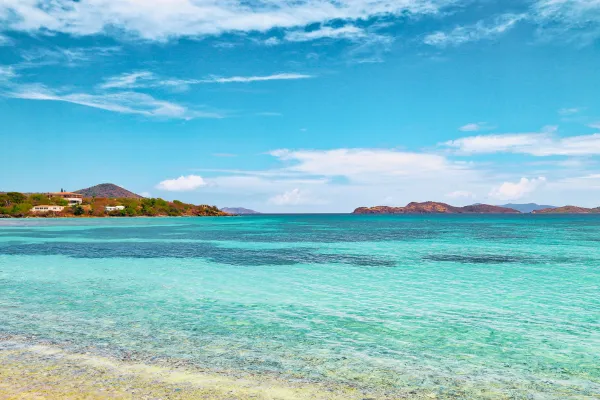
When most travelers think about a Caribbean vacation, they picture turquoise water, white-sand beaches, and swaying palms. But one of the best things about exploring the Virgin Islands by charter yacht is discovering that every island has its own personality.
Some islands are known for world-famous beach bars and snorkeling spots. Others offer tropical forests, untouched nature preserves, historic landmarks, or vibrant local culture.
The beauty of a custom charter is that you don't have to choose just one experience. You can build an itinerary that combines the best of all three island groups: the British Virgin Islands (BVI), the U.S. Virgin Islands (USVI), and the Spanish Virgin Islands. Or, you can choose to hang around one island for your entire trip!
So which spots should you add to your itinerary? Here's what makes each island worth visiting and what you should know before you go.

The British Virgin Islands (BVI)
The British Virgin Islands are often considered one of the world's premier sailing destinations. Protected waters, short passages between islands, and countless anchorages make them ideal for charter vacations.

Tortola: The Gateway to the BVI
As the largest island in the BVI, Tortola serves as the main hub for arrivals and departures. It’s also home to Road Town, the capital of the British Virgin Islands.
Highlights:
Cane Garden Bay: One of the most popular beaches in the BVI. White sand and clear blue waters, all surrounded by green mountains.
Soper’s Hole: A marina and shopping center near the West End that’s the best place to grab Caribbean souvenirs.
Road Town: As the largest city on the island, it’s great for shopping and dining. Lots to see and do, from the National Marine Park to the North Shore Shell Museum
Smuggler’s Cove: This quiet, secluded beach is perfect for snorkeling. It’s off the beaten path, but getting there is half the fun.
Why Visit?
Tortola offers a little bit of everything: beaches, local culture, shopping, and panoramic viewpoints.
Keep in Mind:
Road Town can be busier than the outer islands, making it a great starting point before heading somewhere quieter (like Smuggler’s Cove).

Virgin Gorda: Nature's Masterpiece
This gorgeous island is one of the top tourist destinations in the Caribbean, and it’s easy to see why. The unique landmarks and crystal-clear waters give you the chance to take breathtaking photos while you make memories that will last a lifetime.
Highlights:
The Baths: The No. 1 spot to visit. Giant granite boulders turned into hidden rooms, grottos, and caves you and your party can explore.
Devil's Bay National Park: A protected bay with warm, shallow water where you can find all kinds of tropical fish.
Pirate Show at Leverick Bay: Stop by the Leverick Bay Resort on Monday, Tuesday, or Wednesday at 5 pm for pirate lore, sea shanties, conch shell-blowing contests, and interactive fun for all ages.
Virgin Gorda Peak: If you like hiking, you’ll love this 30-minute trek to the highest point on the island. Stunning 360-degree views of the islands from a viewing platform.
Why Visit?
The Baths is one of the Caribbean's most iconic attractions. Massive granite boulders create natural pools, tunnels, and caves unlike anywhere else. You’ll also find some of the best restaurants in the Caribbean here, including Saba Rock, Hog Heaven, and the Bitter End Yacht Resort.
Keep in Mind:
The Baths can become crowded during peak cruise ship days. Visiting early often provides the best experience. Don’t forget to bring a waterproof camera to the national parks.

Jost Van Dyke: Laid-Back Island Living
When you picture white sandy beaches and turquoise waters, you’re picturing Jost Van Dyke. It’s the smallest of the Caribbean islands, but it makes up for its size with its barefoot beach bars, amazing views, and rich history.
Highlights:
White Bay: A great snorkeling spot with reefs near the shoreline, best visited via catamaran charters. Sunbathe or explore the underwater world.
Soggy Dollar Beach Bar: Located on White Bay, it’s home to the Painkiller cocktail and a favorite of our guests.
The Bubbly Pool: A natural wonder full of fish and rushing, bubbling water. The hike to get there is relatively easy, and the view makes it well worth it.
Eats and Treats: Stop by Foxy’s Beach Bar, Hendo’s, Sidney's Peace & Love, and so many other delicious beach bars you can’t find anywhere else.
Why Visit?
Jost Van Dyke embodies the carefree Caribbean spirit. Beach bars, calm water, and a relaxed atmosphere make it a guest favorite.
Keep in Mind:
The island is small and intentionally low-key. Travelers seeking nightlife beyond beach bars may prefer to combine it with a visit to other islands.

Anegada: The Hidden Gem
Anegada’s flat landscape makes it a snorkeler, kite-surfer, and lobster-lover’s dream. It’s the northernmost island in the BVIs and the only one formed out of coral and limestone rather than volcanic rock. Despite the fact that it’s surrounded by vibrant reef life, tourists tend to overlook this treasure, making it a great place to add to your list.
Highlights:
Cow Wreck Beach: The No. 1 destination on Anegada. It’s less busy than most beaches, and the shallow water is perfect for snorkeling or wading in the sea.
Horseshoe Reef: The largest reef in the Caribbean and the 4th largest reef system on the planet. Eighteen miles of conches, lobsters, porcupine fish, turtles, and more.
Flamingos and Salt Ponds: Stop by Flamingo Pond with some binoculars to spot Caribbean flamingos, once at the verge of extinction but now thriving thanks to conservation efforts.
Fresh Seafood: Because fishing is abundant on the island, you’ll taste some of the best fish in the Caribbean from the local restaurants and beach bars here.
Why Visit?
The highest point on the island is only 28 feet above sea level. Even though it’s one of the largest islands, it’s remote, quiet, and has few local inhabitants. As a result, it offers a true "Robinson Crusoe" getaway.
Keep in Mind:
Because of the surrounding reefs, navigation requires local knowledge and favorable conditions. You’ll need a skilled captain to get you there.

Norman Island: A Pirate’s Paradise
This legendary, privately owned island is located at the southernmost tip of the BVI. It’s best known for the concealed coves and sea caves that surround the island, which were famously used by pirates to hide their loot in the 1700s.
Highlights:
The Caves: Found near Treasure Point. These sea grottos are one of the best snorkeling spots in the BVI, home to parrot fish, groupers, jellyfish, sea urchins, angelfish, and much more.
The Indians: A stunning natural formation made up of four rocks that rise and descend 50 feet below sea level. They form coral gardens, a 15-foot tunnel, lots of fish, and an underwater cavern.
Floating Beach Bars: Pirate’s Bight is a favorite stop for guests who love five-star comfort food, and the Willy T’s Floating Bar & Grill is the best place to eat like a pirate on a real “pirate ship”
Why Visit?
Norman Island is famous for snorkeling and pirate legends that inspired adventure stories. In fact, it’s the inspiration for Robert Louis Stevenson’s classic novel Treasure Island.
Keep in Mind:
This is typically a day-stop destination rather than an overnight cultural experience.

Cooper Island: Resort Life at Its Best
Cooper Island is one of the “Little Sisters” of the BVI, or the smaller islands of the bunch. Like St. John, it’s a private island with only a handful of properties, including a resort. But unlike St. John, it’s a top stop for yachts and group tours. It features 30 mooring balls that can accommodate vessels up to 60 feet long.
Highlights:
Cooper Island Beach Club: Includes a boutique, microbrewery, coffee shop, beach club restaurant, and the Rum Bar with a collection of over 280 Rums.
The Best Sunset Views: Cooper Island has views unlike anywhere else in the world. Over the waters, you can see the lights of neighboring islands at night.
The Shipwrecks of Wreck Alley: Scuba dive along this stretch of ocean to explore the ruins of vessels deliberately sunk for a diving excursion like no other.
Why Visit:
A favorite overnight stop for sailors looking for great food, relaxed beaches, and easy access to reefs.
Keep in Mind:
This is the perfect spot to be at the end of the day, whether you spend an entire day playing in the water or just stop by for dinner.

The U.S. Virgin Islands (USVI)
The USVI combines Caribbean beauty with the convenience of U.S. territory travel for American visitors. It’s known for its white sand beaches, reefs, and verdant hills.

St. Thomas: Energy, Shopping, and Spectacular Views
Home to the capital of the USVI, Charlotte Amelie, St. Thomas is known as “Rock City” thanks to its Crown Mountains. It’s often the first place you’ll stop on your adventure, but for some, it can be one of the most memorable locations.
Highlights:
Magens Bay: This world-renowned heart-shaped beach offers soft white sand, nature trails, and stunning ocean views. It’s a popular yacht stop with warm, calm waters and abundant marine life.
Hull Bay Beach: Located on the north shore, Hull Bay Beach has rougher waters, making it the best surfing spot on the island. It’s more secluded and great for fishing.
Coral World Ocean Park: Popular with kids. See Caribbean fish up close and personal, view life on a coral reef from the Undersea Observatory, or hand-feed a rainbow lorikeet.
Pizza on a Floating Boat: Taste fresh pizza as you’ve never had it before, aboard the world’s only sailboat pizzeria. Guests are always raving about their craft cocktails and frozen drinks as well.
The 99 Steps: When visiting Charlotte Amelie, stop by to see these historic steps built from the ballast bricks of old-world ships. The steps lead up to Blackbeard’s Castle, an iconic landmark open to the public for exploration.
Why Visit?
St. Thomas offers shopping, restaurants, nightlife, and some of the most famous views in the Caribbean. It hosts a month-long carnival, typically from mid-April to mid-May, that includes parades, Calypso shows, Pan-O-Ramas, and much more.
Keep in Mind
It's generally the busiest island in the USVI, making it an excellent place to begin or end your charter. Don’t forget to stop by during Carnival season or Christmas for incredible handmade souvenirs, if your trip allows it!

St. John: A Nature Lover's Paradise
The smallest of the U.S. Virgin Islands, St. John is mostly comprised of protected forests and mangroves. The Virgin Islands National Park takes up more than half the island. Every area is teeming with wildlife, from tropical birds like cuckoos and warblers to dolphins, hawksbill, and green turtles.
Highlights:
Virgin Islands National Park: A must-see stop for all nature lovers. Snorkel with exotic Caribbean fish, hike through a tropical rainforest to see a waterfall, or lounge on a quiet beach.
Trunk Bay Beach: It’s St. John’s most photographed beach for a reason. Snap photos of the spectacular views, explore an underwater marked trail (fun even for beginner snorkelers), or spot fish swimming right next to the shoreline.
Cinnamon Bay: A favorite spot for sailing and windsurfing. Explore the ruins trail, snorkel in the quiet waters, and stop for lunch at the Rain Tree Cafe.
The Windmill Bar: Accessible via taxi, the Windmill Bar offers stunning views, amazing drinks, and live music. Its overlook lets you see Hawksnest Bay and the Pillsbury Sound with St. Thomas in the distance.
The Annaberg Sugar Plantation: Explore the remains of a sugar plantation from the 1870s, where hardworking slaves boiled molasses and harvested ripe sugarcanes.
Tacos from the Floating Lime Out Taco Bar: Stop by the world-famous floating taco bar, Lime Out, for tasty tacos, handmade cocktails, local juice, and fresh hibiscus tea. There’s a little something for everyone.
Why Visit?
Because nearly two-thirds of St. John is protected national park land, it’s the perfect blend of pristine beaches and hiking opportunities.
Keep in Mind:
If your group loves snorkeling, hiking, and quieter surroundings, St. John often becomes a favorite. Come early to beat the crowds.

The Spanish Virgin Islands
Located east of Puerto Rico, the Spanish Virgin Islands offer a blend of Puerto Rican culture, natural beauty, and some of the Caribbean's most untouched beaches.

Vieques: Wild Beauty and Bioluminescence
This island is nicknamed “little girl island” as it’s often seen as Puerto Rico’s smaller sister. Once U.S. Navy lands, Vieques is now home to a national wildlife refuge. Much of it is closed to the public, but the areas that aren’t are overflowing with culture and fun.
Highlights:
Mosquito Bay: Widely regarded as one of the brightest bioluminescent bays in the world, creating a magical nighttime experience.
Wild Horses: Look for the famous Paso Fino horses roaming the island when you visit. These horses are owned by the locals but allowed to roam freely (and love to stop by the beaches).
Fortin Conde de Mirasol: The last Spanish fort built in the Americas. Built between 1845 and 1855, this museum is the best place to learn about the island’s history. Includes restored Colonial-style houses, an art gallery, and a collection of indigenous artifacts.
Balneario Sun Bay: A chill beach known for its calm waters and stunning views. Bring your own snacks and snorkel for hours. On the right day, you won’t see another tourist for miles.
Fine Dining and Island Cuisine: Taste the culture (or twists on American favorites) at some of the best restaurants, including El Quenepo’s waterfront restaurant and Lazy Jack’s.
Why Visit?
Back in 2011, TripAdvisor listed Vieques among the Top 25 Beaches in the World, saying, "If you prefer your beaches without the accompanying commercial developments, Isla de Vieques is your tanning turf, with more than 40 beaches and not one traffic light."
Keep in Mind:
Moon phase and weather conditions affect the visibility of bioluminescence. If you visit Mosquito Bay hoping it’ll be as vibrant and wild as some of the photos you see online, you’ll likely be disappointed.

Culebra: Home of Flamenco Beach
Located 20 miles east of Puerto Rico’s main island, Culebra is the SVI’s hidden gem. It’s home to vibrant reef life, healthy coral, and quiet coves. It’s only 10 square miles from end to end, with 20 small cays surrounding the island.
Highlights:
Flamenco Beach: Ranked one of the most beautiful beaches in the world. This horseshoe-shaped bay has calm, shallow waters and soft sand. Look for the abandoned World War tanks decked in graffiti, which serve as a reminder of the U.S. Navy’s occupation of Culebra.
Tamarindo Beach: A perfect spot for anyone who loves snorkeling, scuba diving, or kayaking. The beach is rocky, but the water is full of sea turtles, rays, and tropical fish.
Hiking: Many of the beaches, like Playa Resaca, Playa Brava, and Carlos Rosario, have hiking trails that lead you from the parking lots to the water. You’ll see plenty of lagoons and tropical birds along the way.
Hector El Protector: Created by artist Thomas Dambo for the art festival Culebra Es Ley, Hector the monkey was made in 5 days using pallets from the local junkyard. The original piece was destroyed by a hurricane in 2018, but today a new Hector stands as a permanent installation, protecting the island from visitors with ill intent.
Why Visit?
Culebra’s arid nature gives it crystal clear, warm water that makes snorkeling an unforgettable experience. It’s the best place to capture breathtaking underwater photos and see tropical marine life as clearly as possible.
Keep in Mind:
Because it’s a popular tourist destination, particularly for nearby islands, you’ll want to arrive early to avoid the crowds.

Culebrita: The Ultimate Day Trip
On this uninhabited island, you’ll find clear water beaches, cays, and mangrove coves overflowing with sea turtles and tropical fish. You can only get there by boat, but with a charter like Barefoot Cowboy, that’s never a problem!
Highlights:
Culebrita Lighthouse: Inaugurated in 1886, this lighthouse is the only remaining structure on the island (and the oldest in the entire Caribbean). Take the hike to the ruins for some breathtaking photos. You can’t go inside due to safety concerns.
Turtle Beach/La Playa Tortuga: The most famous of Culebrita’s beaches, this beach is a common nesting spot for leatherback and hawksbill sea turtles, both critically endangered species.
Natural Tide Pools: Across the island, you’ll find collections of natural tide pools known as Jacuzzis. These bath-like formations are great for relaxing. You can also sometimes find unique sea creatures inside.
Roaming Goats: The two to three thousand goats roaming the island are its largest land dwellers. They were introduced several decades ago and love to sunbathe on the beach. They’re fun to spot, though they have taken a toll on the local ecosystem.
Why Visit?
Culebrita feels untouched and remote, making it perfect for adventurous beach lovers. It’s a fun place for anyone who loves history or wildlife.
Keep in Mind
There are no developed facilities, so preparation is important. Plan to enjoy snacks, refreshments, and restrooms on the charter after you visit the beaches or explore the ruins.

Which Island Chain Is Right for You?
The British Virgin Islands are perfect for easy snorkeling, beach bars, and classic charter experiences. The U.S. Virgin Islands blend convenience with natural beauty and cultural attractions. The Spanish Virgin Islands offer some of the Caribbean's most pristine beaches and unforgettable natural wonders.
So which should you choose for your vacation?
With a custom charter vacation from Barefoot Cowboy, you can build a voyage around what matters most to your group—whether that's snorkeling hidden reefs, hiking national parks, discovering local culture, finding the perfect beach bar, or simply anchoring in a quiet bay and watching the sunset.
Reach out to our crew, and we’ll help you create an itinerary that best fits your party’s interests, your timeline, and the season. That way, you can create memories that last a lifetime and a Caribbean adventure you'll never forget.